


'%20x='0'%20y='0'%20height='100%25'%20width='100%25'%20%0A%20%20%20%20%20%20%20%20%20%20xlink%3Ahref='data:image/jpg;base64,/9j/2wBDAAYEBQYFBAYGBQYHBwYIChAKCgkJChQODwwQFxQYGBcUFhYaHSUfGhsjHBYWICwgIyYnKSopGR8tMC0oMCUoKSj/2wBDAQcHBwoIChMKChMoGhYaKCgoKCgoKCgoKCgoKCgoKCgoKCgoKCgoKCgoKCgoKCgoKCgoKCgoKCgoKCgoKCgoKCj/wAARCAAGAAoDASIAAhEBAxEB/8QAFgABAQEAAAAAAAAAAAAAAAAAAAII/8QAIBAAAQQBBAMAAAAAAAAAAAAAAQIDBAUABhEhMSNBkf/EABQBAQAAAAAAAAAAAAAAAAAAAAD/xAAVEQEBAAAAAAAAAAAAAAAAAAAAQf/aAAwDAQACEQMRAD8Azvo65jUtyzOl17M5poHwupBSSfex4+5NhZwZM+S+1VssNuuqWlpKlbIBJISOeh1jGKP/2Q=='%3E%3C/image%3E%3C/svg%3E)

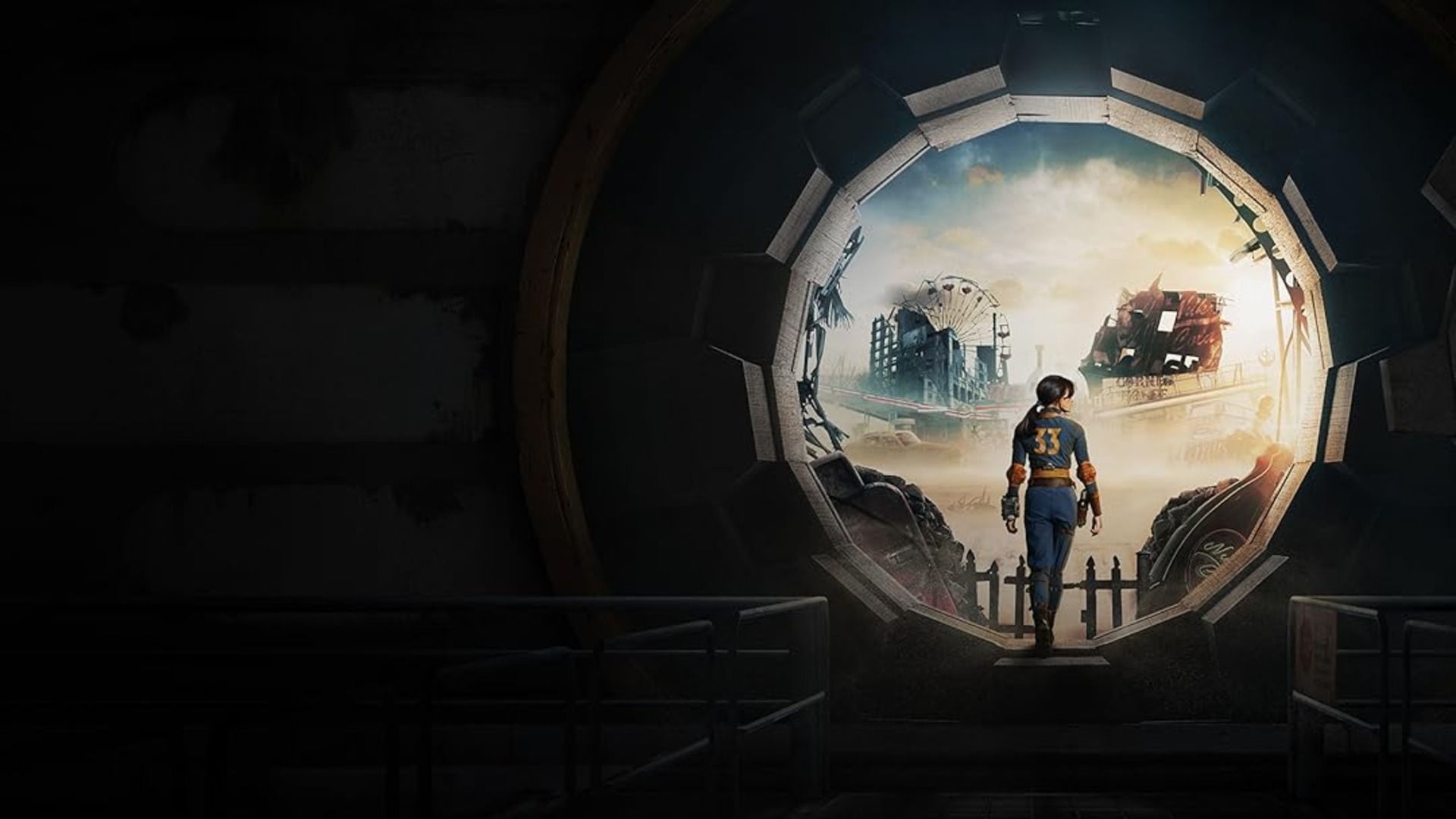
Fallout, the post-apocalyptic drama, is gearing up for another installment. But the new season may not unfold as players of the game series may have expected. The series is based on the titular franchise created by Tim Cain and Leonard Boyarsky.
The upcoming season will unfold in New Vegas, a popular setting featured in the role-playing game Fallout: New Vegas. Almost 15 years ago, in 2010, the game first debuted, where players could determine the future of the Mojave Desert through their choices.
Now, as the show prepares to adapt that setting, the creative team has confirmed one major change from the game: Fallout Season 2 will not closely follow the ending of the video game.
Fallout Season 2 is going to make one major change from the video game
Season 2 moves forward in time and sets the world after the Great War of 2077. It traces the aftermath of widespread devastation of the civilization through nuclear fallout.
This plot of the game thus ties into the title. Season 2 of the series will feature Walton Goggins, Ella Purnell, and Aaron Moten. Kyle MacLachlan, Xelia Mendes-Jones will also star in key roles.
Co-showrunner Geneva Robertson-Dworet addressed this change and the writer's intent while changing the ending. In the video game, players could shape the fate of the Mojave Desert as Couriers.

Players could opt for paths they felt most desiring to walk on: they could back the New California Republic or align with Caesar’s Legion. They could support Mr. House or pursue a different path with Yes Man.
Thus, the player's choices could lead to different social or political trajectories. Dworet maintained that the show wanted to keep these possibilities open.
“We wanted, wherever possible, to basically say that any player's experiences and the choices they made might have happened leading up to the show,” she said.
She also mentioned that contradictions may still exist. Dworet maintained that they wanted to consider these different player experiences. This approach allows the series to remain canon within the Fallout universe while still respecting the franchise’s branching storytelling.
She further added,
"Of course, there might be moments that contradict that, but that was our intention, because we didn’t want to contradict anyone’s experiences playing the games.”
The show unfolds in a timeline that goes 15 years after the events of Fallout: New Vegas. That time gap adds to creative options and helps writers show Mojave without being attached closely to any singular ending.
Robertson-Dworet's statement suggested that Season 2 will feel familiar yet altered by the passage of time, conflict, and shifting power structures.
“Vegas is not exactly as you remember it, because naturally, in the wasteland, there’s constantly shifts,” she said.
 Trending
The game series is widely regarded as one of the franchise’s most player-defined entries, with its reputation ambiguity and far-reaching consequences generated from players' choices.
By refusing to confirm which faction ultimately controlled the Mojave, Season 2 avoids reducing that complexity to a fixed outcome. Instead, the series preserves the idea that New Vegas exists as a space shaped by conflicting histories rather than a resolved political narrative.


 Reply
Reply


